





Is Yogurt Healthy? Yogurt’s Nutritional Value and Its Place in Daily Nutrition
Yogurt has been one of the most beloved dairy products on the tables of different cultures for centuries. Thanks to its distinctive consistency, refreshing flavor, and the ease with which it can be paired with different dishes, it fits into almost any meal of the day.
So, is yogurt a healthy food? Let’s take a look at the nutrients yogurt contains, its production process, and the points to consider when choosing a product.
How Is Yogurt Made?
Yogurt is obtained by fermenting milk with specific yogurt cultures. During fermentation, part of the milk sugar, lactose, is converted into lactic acid. This process is what gives yogurt its slightly tangy flavor and thick consistency.
The composition of the milk used, its fat ratio, the fermentation culture, and the production method can all affect yogurt’s taste, consistency, and nutritional values. For this reason, the nutritional content of whole-fat, semi-skimmed, clotted cream, and strained yogurts can differ from one another.
Yogurt’s Place in Nutrition
Yogurt contains important nutrients from milk, such as protein and calcium. Milk and dairy products are considered among the sources of protein and calcium that can be consumed as part of a balanced diet.
Yogurt’s nutritional value can vary depending on the type of milk used, the product’s fat ratio, and the production method. For this reason, it is important to review the nutrition facts table on the packaging when choosing a product.
It Is a Source of Protein
Protein is an important nutrient that contributes to maintaining muscle mass and sustaining many essential functions in the body. Yogurt is one of the dairy products that can support daily protein intake.
In products with reduced water content, such as strained yogurt, the protein ratio can be higher than in standard yogurt varieties. However, since the exact protein amount varies by product and production method, label information should be checked.
It Contains Calcium
Calcium is one of the minerals necessary for maintaining normal bone and dental structure. Yogurt and other dairy products can contribute to calcium intake as part of the daily diet.
Depending on the milk used, yogurt may also contain phosphorus, potassium, and various vitamins. The amounts of vitamins and minerals in the product can vary depending on the type of milk, the fat ratio, and the production process.
Can Yogurt Be Easier to Digest Than Milk?
The live cultures used in yogurt production help break down part of the lactose found in milk. For this reason, some people may find yogurt easier to consume compared to milk.
The European Food Safety Authority states that products containing sufficient amounts of live yogurt cultures may support lactose digestion in people who have difficulty digesting lactose. However, the level of lactose sensitivity can vary from person to person.
Individuals with lactose intolerance or a specific sensitivity to dairy products are advised to consult a healthcare professional regarding the amount they consume.
Does Yogurt Cause Weight Gain?
It is not accurate to say that any single food directly causes weight gain on its own. Weight change is related to total energy intake throughout the day, portion size, physical activity, and overall dietary habits.
Yogurt’s energy and fat content varies depending on the milk used. Whole-fat and clotted cream yogurts offer a richer flavor, while semi-skimmed products may have a lower fat ratio. For this reason, when choosing a product suited to personal dietary needs, the fat, energy, and portion information on the packaging should be considered.
What Should Be Considered When Choosing Sweetened Yogurt?
The lactose naturally present in yogurt is also a type of sugar. For this reason, the “sugar” amount listed in the nutrition facts table does not always represent sugar that has been added afterward.
Since fruit or flavored yogurts may contain added sugar, the ingredients section of the product should be checked. Those who wish to limit their added sugar intake can choose plain yogurt and flavor it themselves with fruit, cinnamon, or other natural ingredients. Choosing products with lower sugar content is among the recommended choices for a balanced diet.
Points to Consider When Choosing Yogurt
When purchasing yogurt, attention should be paid not only to the product’s fat ratio but also to the ingredients list, portion size, storage conditions, and expiration date.
It is important for the product to be transported under cold-chain conditions and stored at an appropriate temperature, as this helps preserve yogurt’s flavor and product quality. Once opened, products should be used in accordance with the storage and consumption conditions specified by the manufacturer.
From Traditional Flavor to Everyday Tables
Yogurt is a versatile product that can be used at breakfast, for snacks, alongside main meals, in appetizers, in soups, and in various recipes. It can be consumed plain or combined with fruit, oats, or other ingredients.
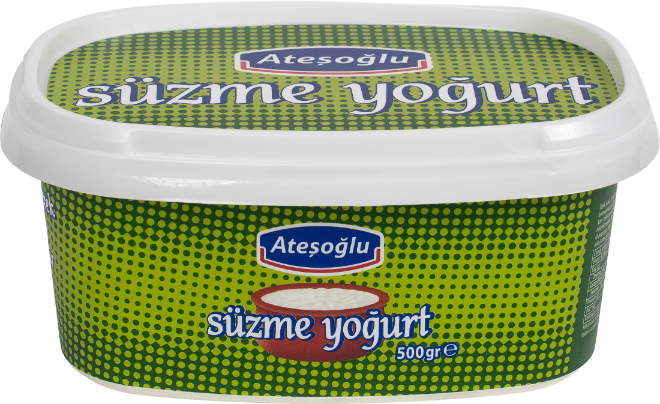
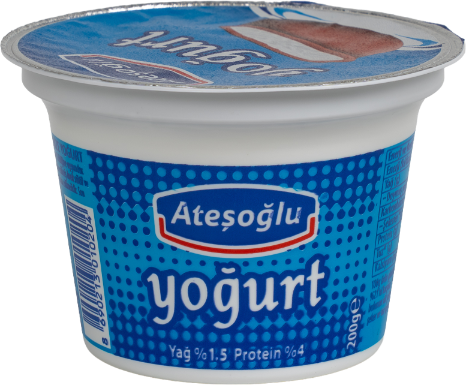
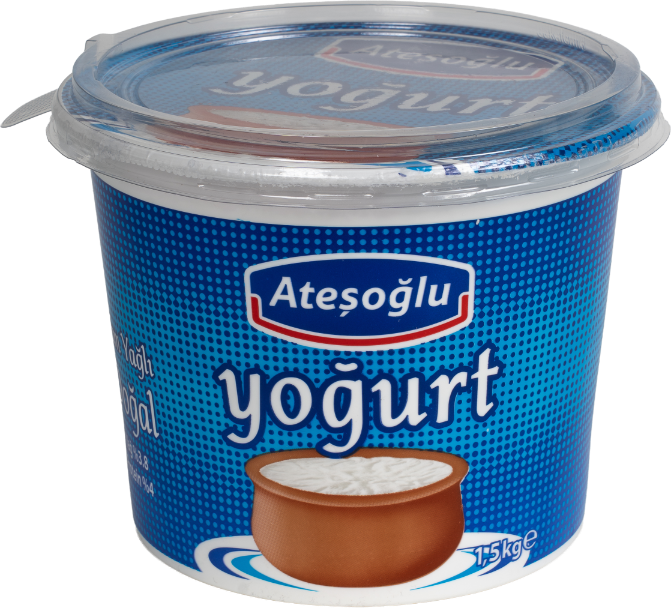
Producing dairy products since 1964, Ateşoğlu brings together traditional yogurt flavor with a natural fermentation culture approach. Its whole-fat, semi-skimmed, clotted cream, and strained yogurt varieties offer alternatives suited to different consumption habits and the needs of professional kitchens.
Conclusion: Yogurt Can Be Part of a Balanced Diet
With its protein and calcium content, versatile uses, and distinctive flavor, yogurt can be part of a balanced diet. However, as with any product, a person’s dietary needs, portion size, and the product’s nutritional information should be taken into account when choosing yogurt.
With Ateşoğlu’s yogurt varieties prepared using natural fermentation culture, you can bring traditional yogurt flavor to your table.