


Is Butter Healthy? Butter’s Place in Nutrition and Proper Consumption
Butter is one of the traditional dairy products widely used in kitchens, from breakfasts to baked goods, from rice dishes to hot meals. Thanks to its distinctive aroma and the rich flavor it adds to dishes, it holds an important place in both home kitchens and professional businesses.
So, is butter a healthy food? The answer to this question depends not only on butter’s composition, but also on the amount consumed, a person’s overall diet, and the other fat sources consumed throughout the day.
How Is Butter Produced?
Butter is a dairy product obtained by separating and processing the fat in milk or cream. During production, the cream is churned to separate the fat from the liquid portion. The resulting milk fat is then processed and shaped into butter.
Butter’s flavor, color, and consistency can vary depending on the properties of the milk used, the production method, and whether the product is salted or unsalted.
Most traditional butter varieties contain a high proportion of milk fat along with a certain amount of water. Arla’s informational content notes that butter can be composed of approximately 82 percent milk fat. However, since the exact ratio can vary by product and production standard, the information on the packaging should be checked.
What Is Butter’s Nutritional Value?
Butter is a product with a high energy and fat content. Since milk fat makes up the majority of its composition, even a small portion can contribute significantly to daily energy and fat intake.
The product’s nutritional values can vary depending on:
- The properties of the milk used,
- The production method,
- The fat ratio,
- The amount of salt,
- The portion consumed
For this reason, when choosing butter, it is important to look not only at the product’s name but also at the nutrition table, which includes energy, total fat, saturated fat, and salt values.
Does Butter Contain Saturated Fat?
Butter is among the foods that contain saturated fat. The World Health Organization recommends that energy from saturated fats not exceed 10 percent of total daily energy intake, and that dietary fats be sourced predominantly from unsaturated fats.
This does not mean that butter must be completely eliminated from the diet. What matters is the frequency of consumption, the amount used, and the overall diet.
In a balanced eating plan that includes vegetables, fruit, legumes, whole grains, and various protein sources, butter can be used in controlled amounts to add flavor. Arla’s content also states that a small amount of butter can have a place in a healthy and balanced diet.
Does Butter Contain Vitamins?
Butter can contain certain fat-soluble vitamins derived from milk fat in specific amounts. However, the amount of these vitamins varies depending on the milk used, the production method, and the portion size.
Since butter is high in fat and energy, consuming large amounts in order to meet vitamin needs is not an appropriate approach. Vitamin and mineral needs should be met through different food groups such as vegetables, fruit, eggs, dairy products, fish, meat, grains, and legumes.
Butter should primarily be regarded as a fat source that adds aroma and texture to dishes.
Does Butter Cause Weight Gain?
It is not accurate to say that any single food directly causes weight gain on its own. Changes in body weight are related to total energy intake throughout the day, portion sizes, physical activity, and overall lifestyle habits.
That said, butter is an energy-dense food. For this reason, consuming more than needed and doing so frequently can increase daily energy intake.
In particular, adding butter to dishes by eye rather than measuring can lead to unnoticed large portions. Using butter by the spoon or by a portion measure can make it easier to control the amount consumed.
What Is the Difference Between Salted and Unsalted Butter?
Salted butter has a certain amount of salt added during or after production. Unsalted butter contains no added salt, or contains it at a very low level depending on the product standard.
Salted butter can offer a more pronounced flavor, particularly in breakfasts and hot dishes. Unsalted butter, on the other hand, can help more easily control the overall salt level of ingredients in desserts, pastries, and baked goods.
Those who need to limit their daily salt intake should check the salt content on the packaging when choosing a product. It is noted that butter’s salt content can vary by product, and that some varieties may contain high amounts of salt.
Butter or Vegetable Oil?
Butter and vegetable oils do not contain the same fatty acids. Vegetable oils such as olive oil and sunflower oil generally contain a higher proportion of unsaturated fat, while butter has a higher proportion of saturated fat.
The World Health Organization recommends that dietary fats be sourced predominantly from unsaturated fats and that saturated fat intake be reduced.
For this reason, rather than using butter as the sole fat source in daily meals, a balanced use of different fat sources can be beneficial. For example, olive oil may be preferred in some recipes, while butter can be used in more controlled amounts in dishes where its distinctive aroma is needed.
The goal here is not to classify a product as entirely good or bad, but to maintain overall balance in consumption.
Does Butter Affect Cholesterol?
Consuming excessive amounts of foods high in saturated fat can affect blood cholesterol levels. It is recommended that individuals who need to keep their cholesterol levels under control limit their saturated fat intake and review nutrition labels.
For those with high cholesterol, cardiovascular disease, or a specific dietary program, it is more appropriate to determine their butter consumption based on the advice of a doctor or dietitian.
General dietary recommendations do not replace individual health assessment.
How Much Butter Should Be Consumed?
It is not possible to specify a single portion size suitable for everyone when it comes to butter. The appropriate amount can vary depending on a person’s:
- Age,
- Daily energy needs,
- Level of physical activity,
- Health status,
- Other fats consumed throughout the day
When using butter, other saturated fat sources consumed in the same meal — such as cheese, red meat, and cream — should also be taken into account. What matters is not just the fat from a single product, but the total amount of fat consumed throughout the day.
Dietary guidelines recommend consuming high-fat, high-saturated-fat products like butter less frequently and in smaller amounts.
How Can Butter Be Used in the Kitchen?
Butter can add aroma, texture, and richness to a variety of dishes. When used in controlled amounts, it helps create the characteristic flavor of many recipes.
Butter can be used in the following ways:
- Spread on bread at breakfast,
- In rice and pasta recipes,
- In preparing soups and sauces,
- To add aroma to vegetable dishes,
- In pastries, buns, and baked goods,
- In cakes, cookies, and dessert recipes,
- As a finishing touch on meat and poultry dishes.
Using butter as a flavor-enhancing element rather than as the main ingredient of a dish can make portion control easier.
What Should Be Considered When Buying Butter?
When choosing butter, the ingredients list, milk fat ratio, salt content, expiration date, and storage conditions should be reviewed.
It is important for the packaging to be unopened and undamaged. Butter, which must be sold under cold-chain conditions, should continue to be stored at the temperature indicated on the packaging after purchase.
To prevent butter from absorbing foreign odors and to preserve its flavor, it is best stored in a sealed container or in its own packaging. When not in use, it should not be left at room temperature for extended periods.
In professional kitchens, the amount used, packaging size, product standard, and a regular delivery schedule should all be considered together.
The Importance of Butter in Professional Kitchens
It is important for the butter used in restaurants, hotels, cafés, bakeries, cafeterias, and food production businesses to offer the same flavor and consistency with every delivery.
Maintaining product consistency contributes to:
- Preparing recipes with the same flavor each time,
- Calculating portion costs,
- Keeping the production plan running smoothly,
- Easier storage and inventory management
When choosing butter for professional businesses, not only price but also product quality, packaging size, cold-chain conditions, and supply continuity should be taken into account.
Traditional Flavor from Milk
Butter is one of milk’s richest and most characteristic products. The properties of the milk used and the quality standards applied during production can directly affect the product’s aroma, color, and consistency.
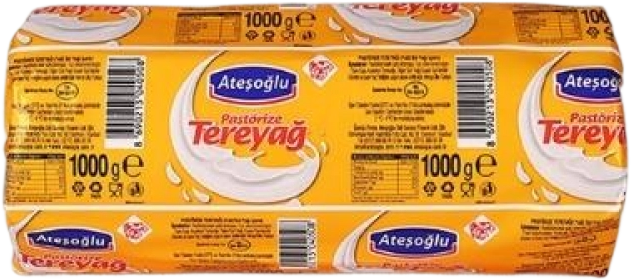
Continuing a family tradition that began in 1964, Ateşoğlu brings together its yogurt, ayran, and butter varieties with modern production facilities. Ateşoğlu products are delivered to restaurants, cafés, hotels, schools, cafeterias, factories, and food production businesses across Istanbul through a cold-chain and scheduled delivery system.
Different product and weight options suited to various consumption needs make supply and usage planning easier for professional kitchens.
Conclusion: Butter Can Be Part of a Balanced Diet
Butter is a traditional dairy product that adds a distinctive aroma to dishes. However, since it contains a high proportion of fat and saturated fat, attention should be paid to the amount consumed.
Butter can have a place in controlled amounts within a healthy and balanced diet. What matters is not using butter as the sole fat source, practicing portion control, and also including unsaturated fat sources in the daily diet.
With Ateşoğlu’s butter varieties, you can bring the traditional flavor of milk to breakfasts, meals, and professional kitchens.