


Is Milk Healthy? The Nutritional Value of Milk and Its Place in Daily Nutrition
Milk is one of the foods that can be consumed at different stages of life and forms the base of many dairy products. It can be drunk plain, as well as used in breakfasts, hot and cold beverages, soups, desserts, and cooking recipes.
So, is milk a healthy food? The answer to this question can vary depending on the type and amount of milk consumed, the individual’s nutritional needs, and their overall diet. Let’s take a closer look at what milk contains and its place in daily nutrition.
What Does Milk Contain?
Milk can contain a variety of nutrients together, such as protein, calcium, phosphorus, potassium, and B-group vitamins. Its nutritional values can vary depending on the animal species, the milk’s fat content, the portion size, and the production method used.
For this reason, the energy and fat values of whole, semi-skimmed, and skimmed milk are not the same. Examining the nutrition facts table on the packaging when choosing a product can help a person make a selection suited to their needs. Milk and dairy products are considered among the sources of protein and calcium in a balanced diet.
Milk Contains Protein
Protein is one of the essential nutrients required for maintaining muscle mass, renewing tissues, and sustaining the body’s normal functions.
Milk is one of the foods that can contribute to daily protein intake. In addition to drinking milk directly, dairy products such as yogurt, ayran, and cheese can also contain varying amounts of protein.
Since the protein content can vary depending on the type of product, the production method, and the portion size, exact values should be checked on the product label.
It Is One of the Sources of Calcium
Calcium is one of the important minerals that plays a role in maintaining normal bone and dental structure. Milk, yogurt, and cheese are among the natural sources of calcium.
Adequate calcium intake is particularly important during periods of growth, development, and older age. However, daily calcium needs can vary depending on age, sex, and life stage.
Calcium is not obtained solely from dairy products. Some leafy green vegetables, fish, nuts, and calcium-fortified products can also contain calcium. Therefore, milk and dairy products should be considered part of a balanced diet made up of a variety of foods.
Other Nutrients Found in Milk
Milk is not made up of protein and calcium alone. Depending on the type of product and the practices of the country where it is produced, it may also contain other nutrients such as phosphorus, potassium, vitamin B2, vitamin B12, and iodine.
The amounts of these nutrients may not be the same in every product. In some countries, vitamins or minerals may be added to dairy products, while in others no such fortification is applied. For this reason, the most accurate information about the vitamins and minerals a milk or dairy product contains can be found on the packaging label.
Is Milk a Sufficient Food on Its Own?
Although milk is a nutritious product, it does not meet all of the body’s nutritional needs on its own. For example, milk is not a primary source of the fiber, iron, or vitamin C needed in the daily diet.
A healthy and balanced diet requires consuming appropriate amounts from different food groups, such as vegetables, fruit, grains, legumes, meat, eggs, and dairy products. Milk can be considered part of this variety.
Whole Fat or Semi-Skimmed?
The fat content of milk affects the product’s energy value and flavor profile. Whole milk offers a richer taste, while semi-skimmed or skimmed products may have a lower fat content.
Which product to choose can vary depending on a person’s age, health status, daily energy needs, and general dietary habits. Adults who wish to limit their fat intake may consider options with a lower fat content. That said, it is particularly important to make an age-appropriate choice when it comes to children’s consumption of milk and dairy products.
When choosing a product, attention should be paid not only to total fat content but also to saturated fat, sugar, energy, and portion information.
Does Milk Cause Weight Gain?
It would not be accurate to say that a single food directly causes weight gain or weight loss. Changes in body weight are related to total energy intake throughout the day, portion sizes, physical activity, and overall lifestyle habits.
The energy content of milk can vary depending on its fat ratio. Whole milk may contain more energy compared to semi-skimmed or skimmed milk. For this reason, the amount consumed should be planned according to a person’s daily energy needs.
Paying attention to portion control when consuming milk or dairy products helps maintain a balanced diet.
Can People with Lactose Intolerance Consume Milk?
Lactose is a type of sugar naturally found in milk and dairy products. People with lactose intolerance may experience digestive symptoms such as bloating, gas, abdominal discomfort, or diarrhea after consuming milk or dairy products. However, the amount of lactose each person can tolerate is not the same.
Some people can consume small amounts of milk together with meals, while others may prefer lactose-free products. Reduced-lactose or lactose-free dairy products can help lower the amount of lactose in the diet.
Yogurt and some hard cheeses may also contain lower amounts of lactose compared to other dairy products and may be tolerated more comfortably by some people. However, since sensitivity levels vary from person to person, those with persistent symptoms are advised to consult a healthcare professional.
Are Lactose Intolerance and Milk Allergy the Same Thing?
Lactose intolerance and milk allergy are different conditions. Lactose intolerance is related to the body’s inability to adequately digest the natural sugar in milk. A milk allergy, on the other hand, arises from the immune system’s reaction to milk proteins.
It is particularly important for individuals who suspect they may have a milk allergy to seek support from a doctor or dietitian rather than eliminating a food group on their own.
What Should Be Considered When Choosing Milk?
When purchasing milk, attention should be paid to whether the product has been pasteurized or undergone appropriate heat treatment, as well as to the integrity of the packaging, the expiration date, and storage conditions.
Pasteurization is a heat treatment method applied to reduce harmful microorganisms that may be present in milk and to support food safety. Raw milk, if not processed properly, can carry a risk of foodborne illness.
Milk and dairy products should be stored at the temperatures specified on the packaging, and care should be taken to maintain the cold chain. Once opened, products should be consumed according to the timeframe and conditions specified by the manufacturer.
How Can You Add Milk to Your Daily Diet?
Milk can easily be added to different recipes and meals. In addition to being consumed plain, it can also be used in:
- Breakfast cereals and oat mixtures
- Coffee and hot beverages
- Soup and sauce recipes
- Cakes, desserts, and baked goods
- Fruit drinks and smoothie recipes
- The production of yogurt, ayran, and other dairy products
People who do not wish to drink milk can also benefit from other dairy products such as yogurt, ayran, or cheese, provided these suit their personal needs. Thanks to their variety of flavors and uses, dairy products can be incorporated into daily meals in different ways.
Traditional Flavor from Milk
Milk is the fundamental raw material for the production of yogurt and ayran. The quality of the milk, the culture used, the production conditions, and the maintenance of the cold chain directly affect the consistency, flavor, and standard of the resulting product.
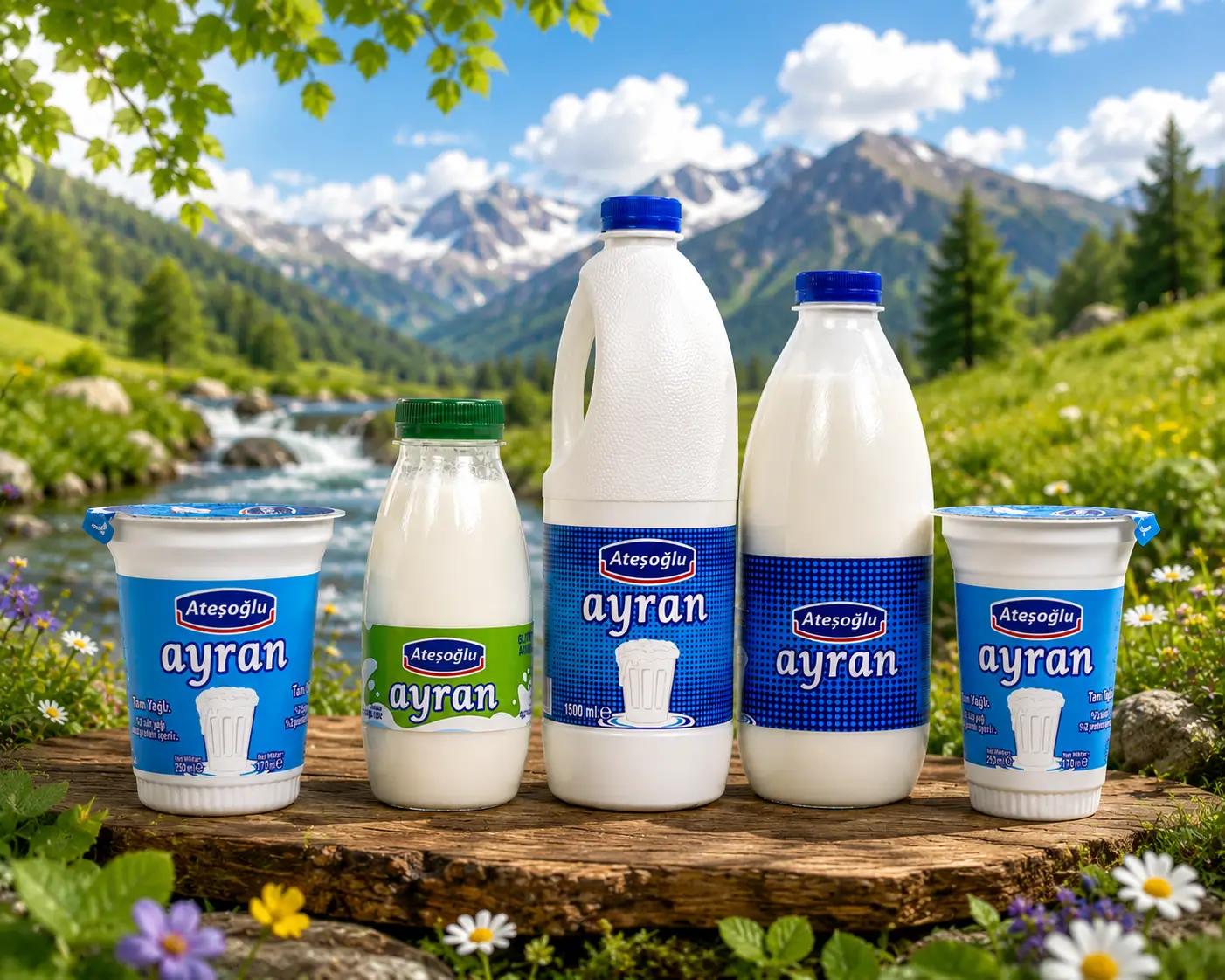
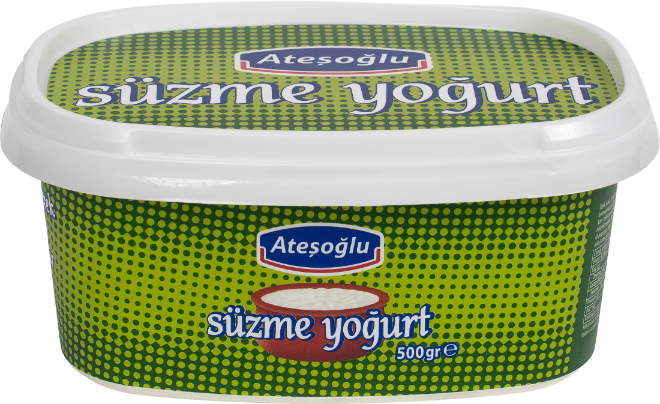
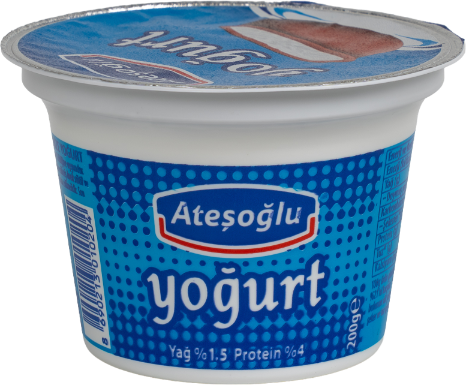
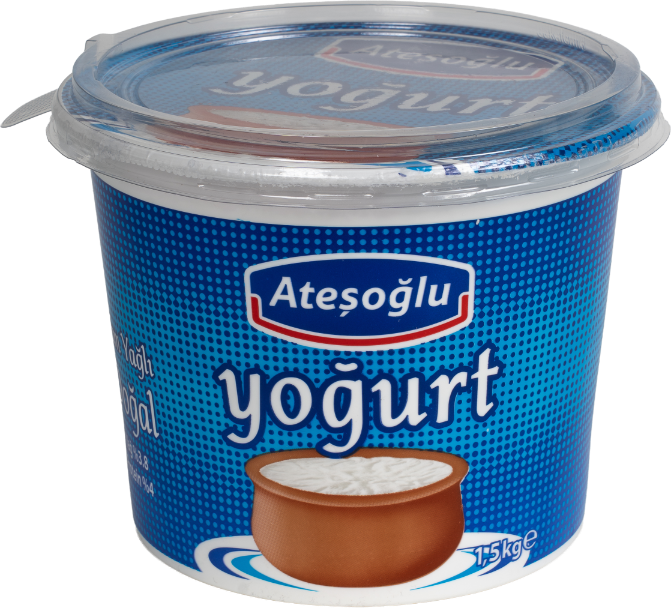
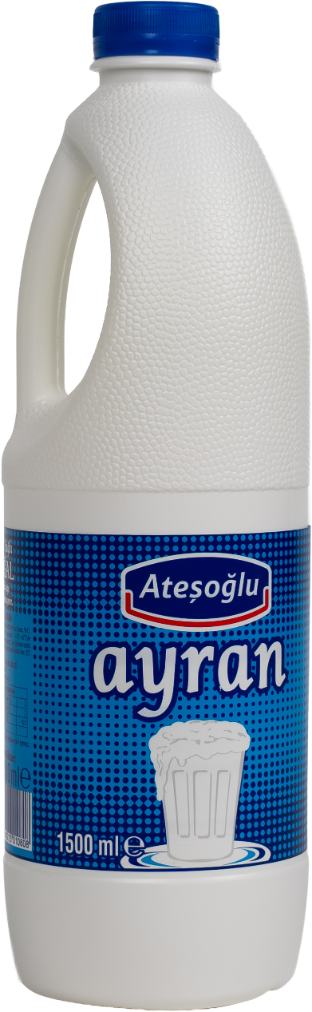
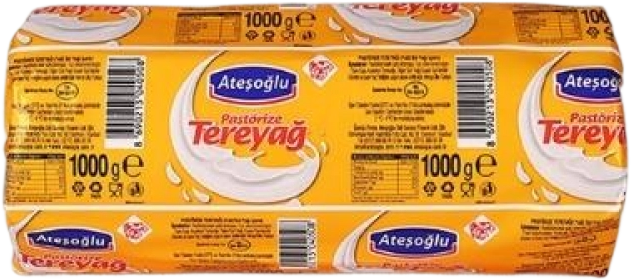
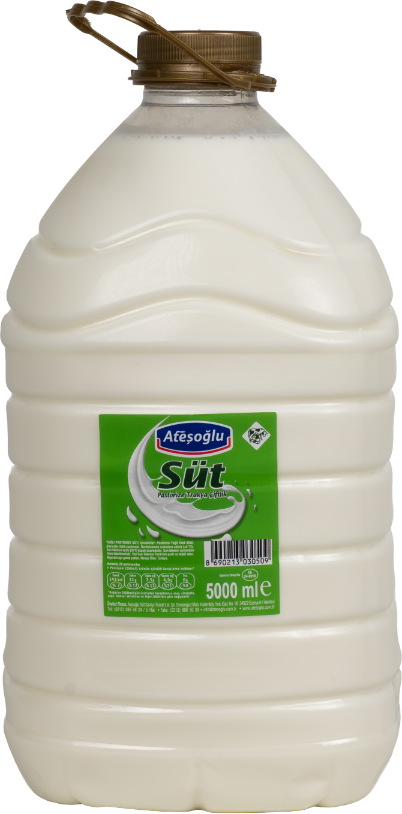
Continuing a family tradition that began in 1964, Ateşoğlu transforms milk into yogurt and ayran products using a philosophy of 100% natural fermentation culture. Alongside its whole-fat, semi-skimmed, clotted cream, and strained yogurt varieties, the brand offers ayran and butter products tailored to the different needs of out-of-home consumption businesses.
Different weight options for restaurants, hotels, cafés, schools, cafeterias, and manufacturing businesses make product use and supply planning easier in professional kitchens with high consumption volumes.
Conclusion: Milk Can Be Part of a Balanced Diet
Milk is a nutritious product that can contain protein, calcium, and various vitamins and minerals. However, it does not meet all nutritional needs on its own. Milk’s place in a healthy diet should be evaluated based on the amount consumed, the product’s fat content, and the individual’s personal needs.
When choosing milk and dairy products, it is important to review product labels, pay attention to portion sizes, and maintain a balanced diet made up of different food groups.
With Ateşoğlu’s yogurt and ayran varieties prepared using natural fermentation culture, you can bring the traditional flavor of milk to your table and to your professional kitchens.